Resources

Publication: Quantitative Analysis of Intestinal Stem Cell Dynamics Using Microfabricated Cell Culture Arrays

For the intestinal epithelium, a population of rapidly proliferating stem cells (ISCs) help regenerate the epithelial tissue. Although these cells can be monitored by isolating with FACS or introducing fluorescent transgenes, this can mask clonal and heterogeneity effects. The CellRaft arrays can be used to culture single ISCs and monitor their growth and progression to organoid formation with time-lapse microscopy. Additionally, the CellRaft-grown intestinal organoids and single ISCs can be treated with exogenous factors and/or isolated for gene expression analysis to identify micro-niches derived from clonal ISC dynamics.

Related Resources

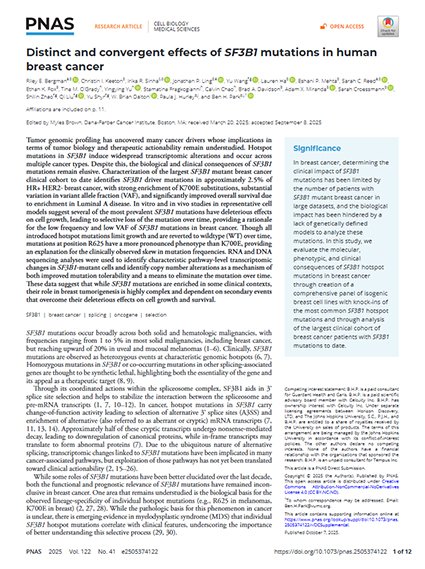
In this study, CellRaft AIR was used to isolate, verify, and expand monoclonal cell lines carrying engineered SF3B1 mutations, forming the basis of an isogenic...

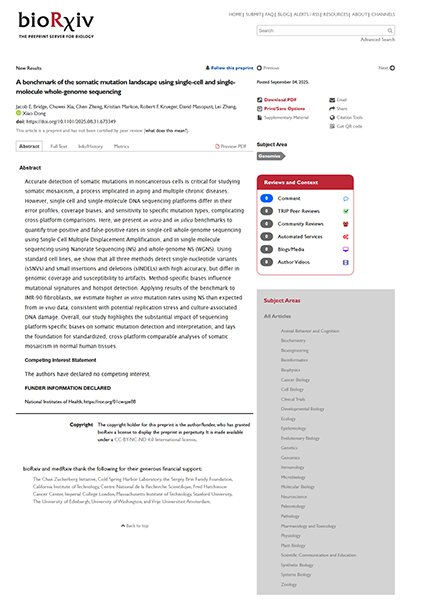
In this work, CellRaft arrays were used to generate clonally derived cell populations from single cells prior to sequencing, providing a ground-truth reference for benchmarking...

In this study, CellRaft AIR was used to isolate and track single hematopoietic stem and progenitor cell (HSPC) clones over time, enabling researchers to directly...